Skip to content



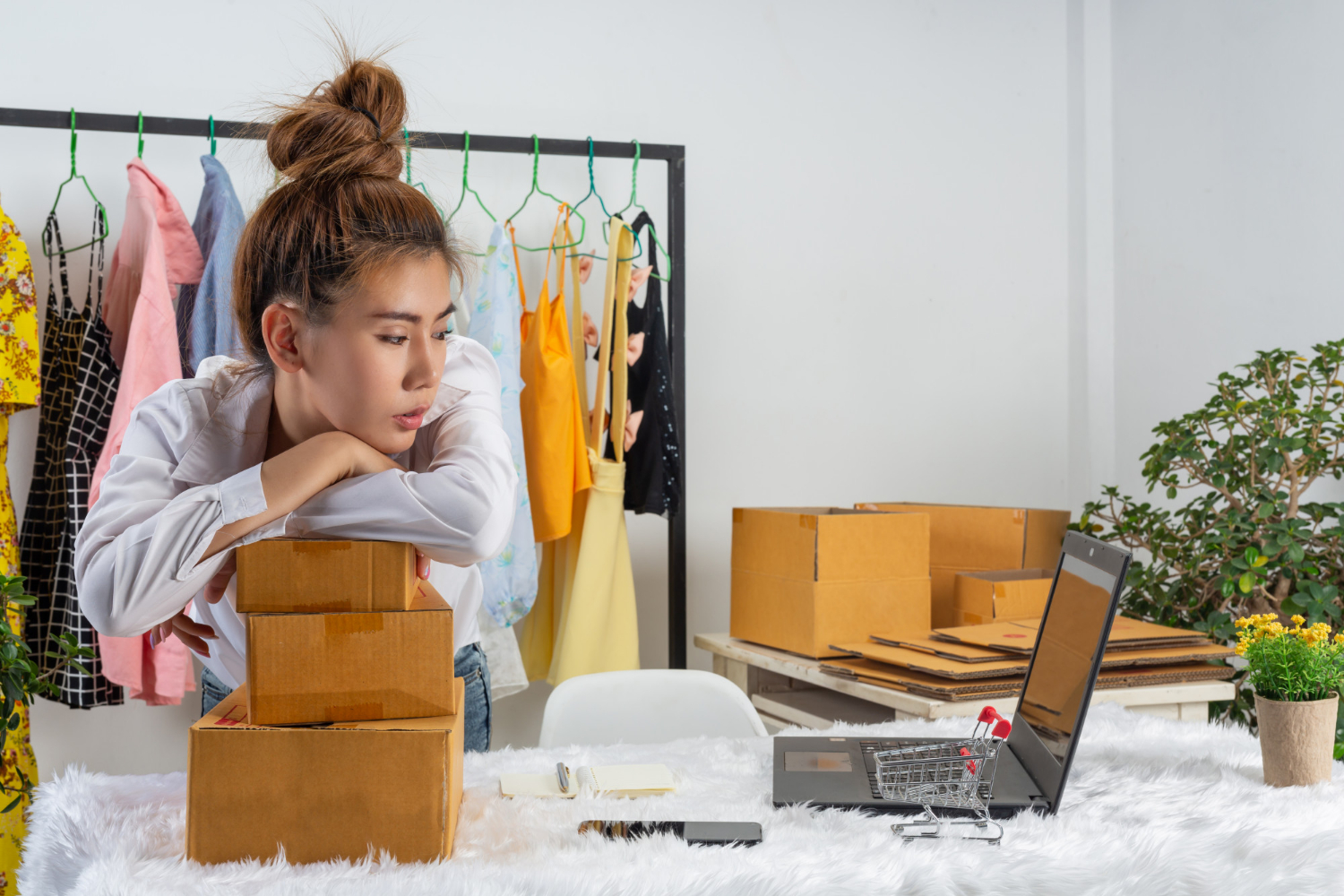
Starting a small clothing business from home is one of the most realistic ways to build a profitable brand with low startup costs — and thousands of people have done it with nothing more than a sewing machine, a smartphone, and a clear niche.
Quick Facts
- The global apparel market was valued at over $1.7 trillion in 2023 and continues to grow, with small independent brands capturing a rising share through direct-to-consumer channels like Shopify and Etsy.
- Print-on-demand services like Printful and Printify allow home-based sellers to launch a clothing line with zero inventory and no upfront production costs.
- According to a 2023 Shopify report, fashion and apparel is consistently one of the top three best-selling categories among new online store owners.
- Social media — especially TikTok and Instagram — has become the primary growth channel for home-based clothing brands, with many reaching $10,000/month in revenue within their first year.
- The U.S. Small Business Administration recommends registering your business as an LLC early on to protect personal assets, even for home-based operations.
- Profit margins in custom and niche clothing typically range from 40% to 70%, significantly higher than general retail.
Pick a Niche Before You Pick a Product
The biggest mistake new clothing sellers make is trying to sell everything to everyone. A niche is not a limitation — it is your strongest competitive weapon.
Think about what specific group of people you want to dress. That could be gym-goers who want motivational graphic tees, mothers looking for matching family sets, pet lovers who want custom-print hoodies, or streetwear fans in a specific city. The more specific your audience, the easier it is to market, price, and grow.
Look at successful home-based brands on Etsy and Instagram. Brands like Subtle Asian Clothing and BySole built loyal followings not by having more products, but by deeply understanding one type of customer. They knew exactly what that person wanted before the customer even searched for it.
Use free tools like Google Trends, Pinterest search, and TikTok’s search bar to validate your niche. If people are searching for it and spending money on it, that is your signal. A niche with 10,000 passionate buyers is far more valuable than a broad market with millions of uninterested scrollers.
Your niche also determines your pricing power. Customers in specific communities — cosplay, plus-size fashion, dog moms, vintage resellers — will pay premium prices because the product feels made for them. Generic clothing competes on price. Niche clothing competes on identity.
What Type of Clothing Sells the Most?
Graphic tees, custom hoodies, and matching sets consistently top the charts for home-based clothing sellers — but the real answer depends on your platform and audience.
On Etsy, custom and personalized items dominate. Buyers come to Etsy specifically looking for something they cannot find at H&M or Zara. Personalized name tees, bridal party matching sets, and vintage-inspired designs sell year-round. Etsy reported over 96 million active buyers in 2023, many of whom specifically search for small independent sellers.
On TikTok Shop, trending styles move fast. Oversized co-ord sets, Y2K aesthetic pieces, and cottagecore dresses saw massive spikes in 2023 and 2024 driven entirely by short-form video content. If you can create content around your product and ride micro-trends, TikTok Shop gives small sellers a remarkable advantage over bigger brands that move too slowly.
On your own Shopify store, recurring sellers include basics with a twist — premium quality everyday pieces in limited colorways. Brands like Madhappy and Entireworld built significant revenue by taking the basic hoodie or sweatshirt and giving it better fabric, better fit, and a cleaner story.
The honest answer is this: the clothing type that sells the most is the one you can consistently produce, photograph well, and talk about authentically. Product quality matters, but your ability to communicate why someone needs it matters more.
How to Source Products Without a Factory
You do not need to manufacture clothing to run a clothing business. There are three main sourcing methods and each works at a different scale.
Print-on-demand is the lowest-risk starting point. Services like Printful, Printify, and Gelato connect to your Shopify or Etsy store. You upload your designs, a customer places an order, and the supplier prints and ships it directly. You never touch inventory. Margins are lower — roughly 20% to 35% — but there is zero upfront cost and zero unsold stock.
Wholesale blank sourcing is the next step up. You buy plain blanks from suppliers like Bella+Canvas, Gildan, or AS Colour, then work with a local print shop or embroiderer to add your designs. This approach gives you better margins and more control over quality, but requires upfront investment and storage space.
Custom manufacturing is for sellers ready to scale. Platforms like Alibaba, Faire, and Maker’s Row connect you with factories that produce clothing to your exact specifications — your fabric, your cut, your labels. Minimum order quantities (MOQs) typically start at 50 to 100 pieces per style. This is where brands like Gymshark started — founder Ben Francis was screen-printing and sewing in his garage before scaling to a billion-dollar brand.
Start with print-on-demand to test your designs. Once you know which products actually sell, move to blanks or custom manufacturing for better margins.
What Are Common Mistakes in a Clothing Business?
Most home-based clothing businesses do not fail because of bad products — they fail because of bad decisions in the first six months.
Buying too much inventory too fast is the number one killer. New sellers get excited, order 200 units of a design, and then realize the style is not converting. Start small. Test with 10 to 20 units or use print-on-demand until you have real sales data proving demand.
Underpricing to compete is almost as damaging. Many first-time sellers price their products at cost plus a tiny margin because they are afraid no one will buy otherwise. This creates a race to the bottom and leaves no budget for marketing, packaging, or reinvestment. Price based on perceived value and your target customer’s willingness to pay, not just your production cost.
Ignoring photography consistently tanks sales before they even start. Customers on Etsy, Instagram, and Shopify make buying decisions in under three seconds based on visuals. A blurry phone photo on a plain background tells the customer nothing about how the piece fits, feels, or looks in real life. Invest time in natural light photography, flat lays, and real model shots — even if the model is you or a friend.
Skipping the legal basics creates problems later. Register your business, get an EIN from the IRS (it is free), open a separate business bank account, and understand your state’s sales tax obligations. These steps take one afternoon and prevent a lot of headaches as your revenue grows.
Not building an email list from day one is a mistake almost every new seller regrets. Social media algorithms change. Platforms go down. Your email list is the only audience you truly own. Use a free tool like Mailchimp or Klaviyo and start collecting emails from your very first customer.
What Is the 3-3-3 Rule for Clothes?
The 3-3-3 rule is a wardrobe framework that has picked up serious traction in fashion and minimalist lifestyle communities — and it has real implications for clothing sellers trying to understand their buyers.
The rule works like this: choose 3 pairs of shoes, 3 bags or accessories, and 3 outerwear pieces for a set period — typically a month. Some versions extend it to mean building an entire wardrobe around 3 core color families, 3 silhouettes, and 3 signature pieces that define your personal style.
For clothing business owners, the 3-3-3 rule reveals something important about a growing segment of buyers. Consumers are increasingly moving away from fast fashion and toward intentional purchasing. They want fewer pieces that work harder — quality over quantity, versatile over trendy.
This shift is backed by data. A 2023 McKinsey & Company report on consumer behavior found that 67% of shoppers now consider sustainability and quality as key purchase factors, up from 52% in 2020. Brands that position their products as wardrobe essentials rather than impulse buys are seeing stronger customer retention and higher average order values.
If your small clothing business can speak to this customer — someone who buys less but buys better — you are targeting one of the fastest-growing and most loyal segments in fashion right now. Build collections around versatility, highlight quality materials, and create content that shows multiple ways to style each piece.
Frequently Asked Questions
How much money do I need to start a small clothing business from home?
Start with $100–$300 using print-on-demand platforms like Printful. For wholesale blanks with local printing, budget $500–$1,500 for your first 20–50 units.
Do I need a business license to sell clothes from home?
Yes. Most U.S. states require a business license and sales tax permit. An LLC registration costs $50–$150 and protects your personal assets from business liability.
How do I price my clothing to make a profit?
Multiply your production cost by 2.5 to 3. A hoodie costing $18 to make should retail at $45–$54. Always factor in platform fees and shipping before setting your final price.
Which platform is best for selling homemade clothes?
Etsy suits custom and handmade pieces. Shopify gives full brand control. TikTok Shop works best for trend-driven products. Most successful small brands run on two platforms at once.
How long does it take to make money with a home clothing business?
First sales typically come within 30–60 days with active marketing. Hitting $1,000–$3,000/month usually takes three to six months of consistent effort and content creation.
Conclusion
Starting a small clothing business from home is achievable — but only if you are specific about who you are selling to, honest about your pricing, and consistent with your marketing. The sellers who make it past the first year are not necessarily the ones with the best designs. They are the ones who tested before they invested, built an audience before they scaled, and treated their brand like a real business from day one. Pick your niche, validate your product, and start small. The infrastructure to grow is already available — the only variable is you.