Skip to content



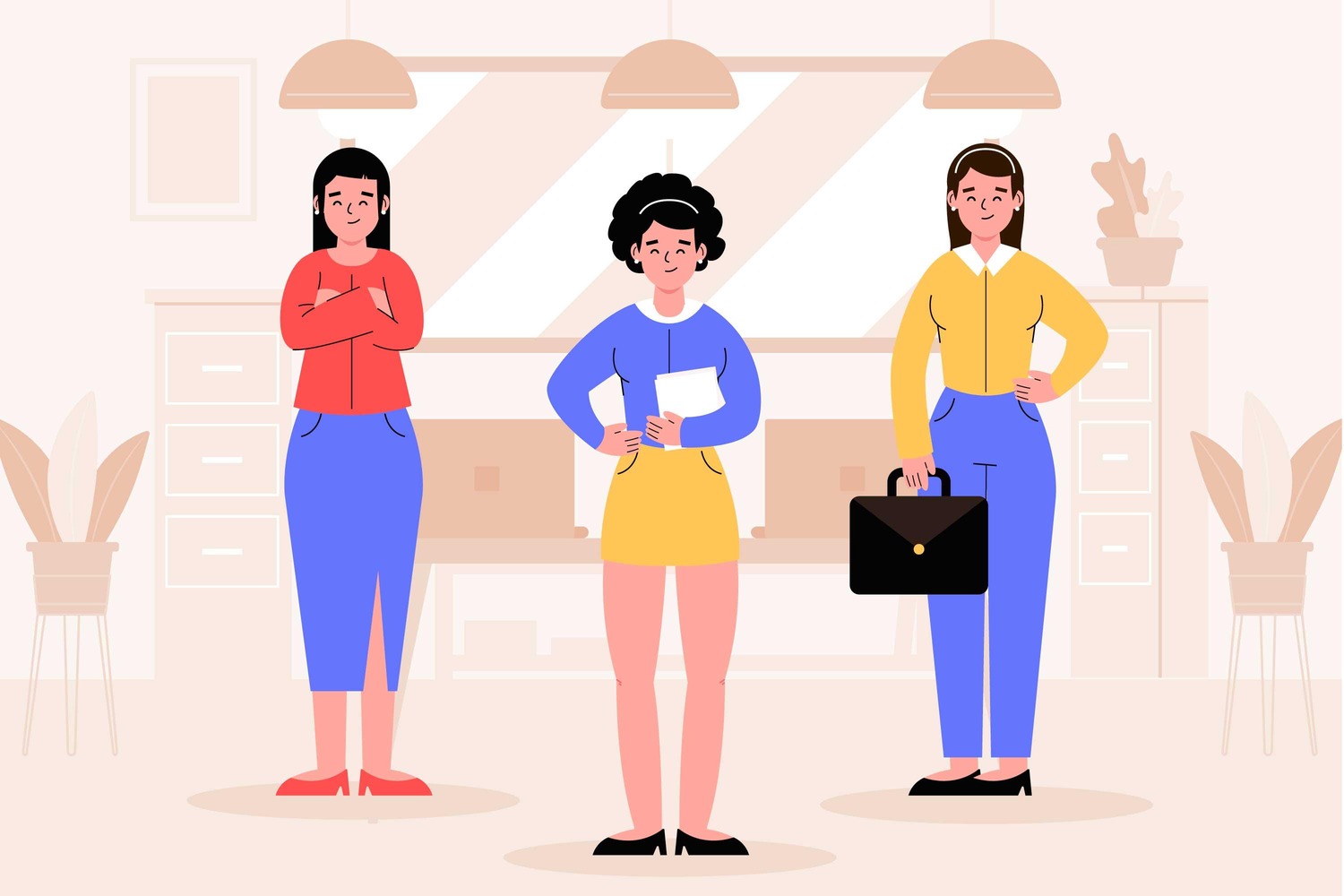
Business casual for women is a dress code that sits between formal office wear and everyday casual. Think tailored trousers, blouses, blazers, and clean footwear that look put-together without reaching full suit territory. It is the most common dress code in American workplaces today and the one most women find the hardest to define.
Quick Facts
- Business casual covers an estimated 60% of U.S. white-collar offices across industries like finance, tech, healthcare administration, and marketing.
- The dress code includes tailored trousers, blouses, midi dresses, blazers, loafers, and low heels. Athletic wear, ripped clothing, and revealing pieces are out.
- A 2023 McKinsey report found 67% of U.S. consumers now prioritize quality and versatility in work clothing over trend-driven purchases, up from 52% in 2020.
- Brands like Ann Taylor, Banana Republic, Nordstrom, and J.Crew have built entire product lines around business casual because demand from working women is enormous.
- Jeans are accepted in most U.S. offices when they are dark-washed and well-fitted. Ripped or faded denim is always a no.
- In 2026 the rise of power casual, which means structured basics with comfortable fits, has replaced the stiff traditional office look as the new professional standard.
What Does Business Casual Actually Mean for Women?
Business casual is not a single outfit. It is a standard. The goal is to look professional without looking like you are heading to a board meeting or a weekend brunch.
For American women the dress code typically includes tailored trousers, chinos, structured blouses, knit tops, blazers, midi skirts, and shift dresses. Footwear options include loafers, oxfords, ballet flats, ankle boots, and low-to-mid heels. Clean minimalist leather sneakers have also entered the picture in 2026, particularly in tech and creative industries.
The standard varies by industry and company culture. A law firm in New York interprets business casual differently than a startup in Austin. Fashion consultant Cassandra Sethi of Next Level Wardrobe, who has over 25 years of experience styling professional women, describes the modern standard as a blend of elegant and effortless. The key is polished, not stiff.
What business casual is not: athletic wear, leggings worn without a long top, graphic t-shirts, ripped jeans, flip-flops, or anything more appropriate for a weekend errand than a client meeting. The line between business casual and smart casual is thin but it matters in professional settings.
Retailers like Ann Taylor, Banana Republic, and Nordstrom have built strong collections around this dress code because the category is genuinely confusing for most women. A structured blazer over almost any outfit pulls it into business casual territory.
The Outfits That Actually Work at the Office
Building a business casual wardrobe does not require buying everything at once. A core set of versatile pieces covers most workdays.
Blazers are the most powerful business casual item a woman can own. A well-fitted blazer in navy, black, camel, or grey instantly elevates a blouse and trouser combination. In 2026relaxed-fit and oversized blazers from Zara, H&M, and Mango have made the piece more approachable and it pairs well with tailored pants and midi dresses alike.
Trousers and dress pants are the safest bottom choice. Wide-leg trousers, straight-cut slacks, and tailored chinos from Banana Republic and J.Crew consistently rank as top sellers in work clothing. Pair with a tucked-in blouse or fitted knit top.
Dresses work well because they eliminate the need to coordinate separates. A knee-length or midi-length shift dress in a structured fabric from Ann Taylor or ASOS Professional reads as polished. Avoid bodycon cuts, maxi lengths that drag, and anything overly flowy or sheer.
Tops should be clean, structured, and free of loud graphics. A classic white button-down shirt, a silk blouse, or a fitted knit top in a neutral color covers most office situations. Everlane and Quince have become popular with professional women for premium-quality basics at reasonable prices.
Footwear has loosened considerably. Loafers, oxfords, and ankle boots are the current sweet spot. Kitten heels, a top trend in 2026, offer height and professionalism without discomfort. Clean white leather sneakers are accepted in many modern offices though traditional corporate environments still prefer closed-toe leather shoes.
What Are the Most Common Business Casual Mistakes Women Make?
Most business casual mistakes come from underdressing or overcomplicating, and both are avoidable.
Wearing leggings without adequate coverage is the most common mistake. Leggings are not business casual in the traditional sense. In a small number of modern offices thick structured ponte-style leggings paired with a long blazer or tunic that fully covers the hips can pass, but standard athletic leggings never do. Next Level Wardrobe founder Cassandra Sethi states that leggings are a hard no for 99% of business casual settings.
Choosing the wrong jeans is another common issue. The rules are specific: dark wash only, no ripping or fading, well-fitted but not baggy or skintight, and paired with a blazer or polished top. Light-wash jeans, distressed denim, and overly casual cuts push an outfit into weekend territory.
Ignoring footwear is a subtle but real problem. Beat-up sneakers, flip-flops, overly strappy sandals, and athletic shoes undercut even the most polished top and trouser combination. Shoes communicate effort and in a professional environment that detail matters more than most women realize.
Over-accessorizing or wearing pieces that feel more nightlife than office, such as sequins, heavy statement jewelry, or very short hemlines, sends the wrong signal even in relaxed dress code environments.
Dressing too casually because the office seems chill is a longer-term mistake. First impressions with new clients, surprise executive visits, or unexpected meetings mean looking consistently put-together pays off. Banana Republic’s workplace style guide recommends building a core set of reliable pieces rather than making daily judgment calls.
Can You Wear Jeans, Sneakers, or Leggings to Work?
These are the three questions American women search for most when figuring out business casual.
Jeans are acceptable with conditions. Dark-washed, well-fitted denim with no distressing works in the majority of U.S. business casual offices. Barrel-leg and straight-cut styles are the most office-appropriate silhouettes in 2026. Black jeans mimic the look of tailored trousers and are one of the most versatile business casual options available. NYDJ, Madewell, and Everlane are consistently recommended for office-appropriate denim.
Sneakers work sometimes. Clean minimalist leather or canvas sneakers in neutral colors like white, black, or navy work in tech companies, creative agencies, and modern startups. In traditional corporate offices, law firms, or financial services environments, stick to loafers or low heels. If your sneakers look like gym shoes, leave them at home.
Leggings almost never work. Standard athletic leggings are not business casual. The exception is thick structured ponte-style pants that resemble leggings but have the silhouette of dress trousers. These work when paired with a long blazer or professional top. Lululemon ABC pants and Betabrand dress pants have become popular specifically because they fill this gap for women who need comfort without sacrificing professionalism.
How Business Casual Has Changed in 2026
The definition of business casual for American women has shifted significantly since 2020 and the biggest driver has been hybrid work.
With millions of U.S. workers splitting time between home and office, demand for clothing that is both comfortable and professional has reshaped what is considered workplace-appropriate. The power casual trend, which means elevated basics in soft but structured fabrics, has become the new benchmark. Wide-leg trousers in stretch fabric, relaxed blazers, and knit sets that look polished on a video call and in person are all part of this shift.
Brands like Reformation, Vince, and Eileen Fisher have seen strong growth in the professional women’s segment by positioning their clothing as both workwear and weekend wear. The traditional boundary between work clothes and regular clothes has largely dissolved.
Sustainability has entered the conversation too. According to McKinsey’s 2023 State of Fashion report, 67% of U.S. consumers now factor quality and longevity into clothing purchases. This aligns directly with the business casual philosophy of investing in fewer better pieces. Brands like Cuyana and M.M. LaFleur have built their identity around this idea and market directly to professional women who want a capsule wardrobe that works five days a week.
As Fortune 500 companies from Google and Apple to JPMorgan have relaxed their internal dress codes, the center of gravity for professional women’s dressing has moved toward intentional well-fitted basics over rigid formal structures.
Frequently Asked Questions
What is business casual for women in the US?
It is a dress code that blends professional and relaxed pieces. Blazers, tailored trousers, blouses, midi dresses, and clean footwear are all appropriate. It is less formal than a suit but more polished than everyday casual wear.
Can women wear jeans for business casual?
Yes if they are dark-washed, well-fitted, and free of rips or fading. Pair with a blazer or structured blouse. Black jeans work especially well because they resemble tailored trousers at a glance.
Are leggings OK for business casual at work?
Standard athletic leggings are not business casual. Thick structured ponte pants that look like trousers can work when paired with a long blazer or professional top that covers the hips completely.
What shoes are business casual for women?
Loafers, oxfords, flats, ankle boots, and low-to-mid heels are the safest choices. Clean minimalist sneakers in neutral colors work in modern or creative offices but not in traditional corporate environments.
What should women avoid wearing for business casual?
Avoid ripped jeans, athletic wear, graphic t-shirts, flip-flops, very short hemlines, sheer fabrics, and anything better suited to a gym or a night out than a professional setting.
Conclusion
Business casual for women comes down to looking intentional. The right outfit does not need to be expensive or complicated. A blazer, well-fitted trousers, and clean footwear will take you through most American offices without a second glance. Know your industry, understand your company culture, and build around a core set of versatile pieces that always work.
Stay updated with the latest business and lifestyle news on us news point.