Skip to content



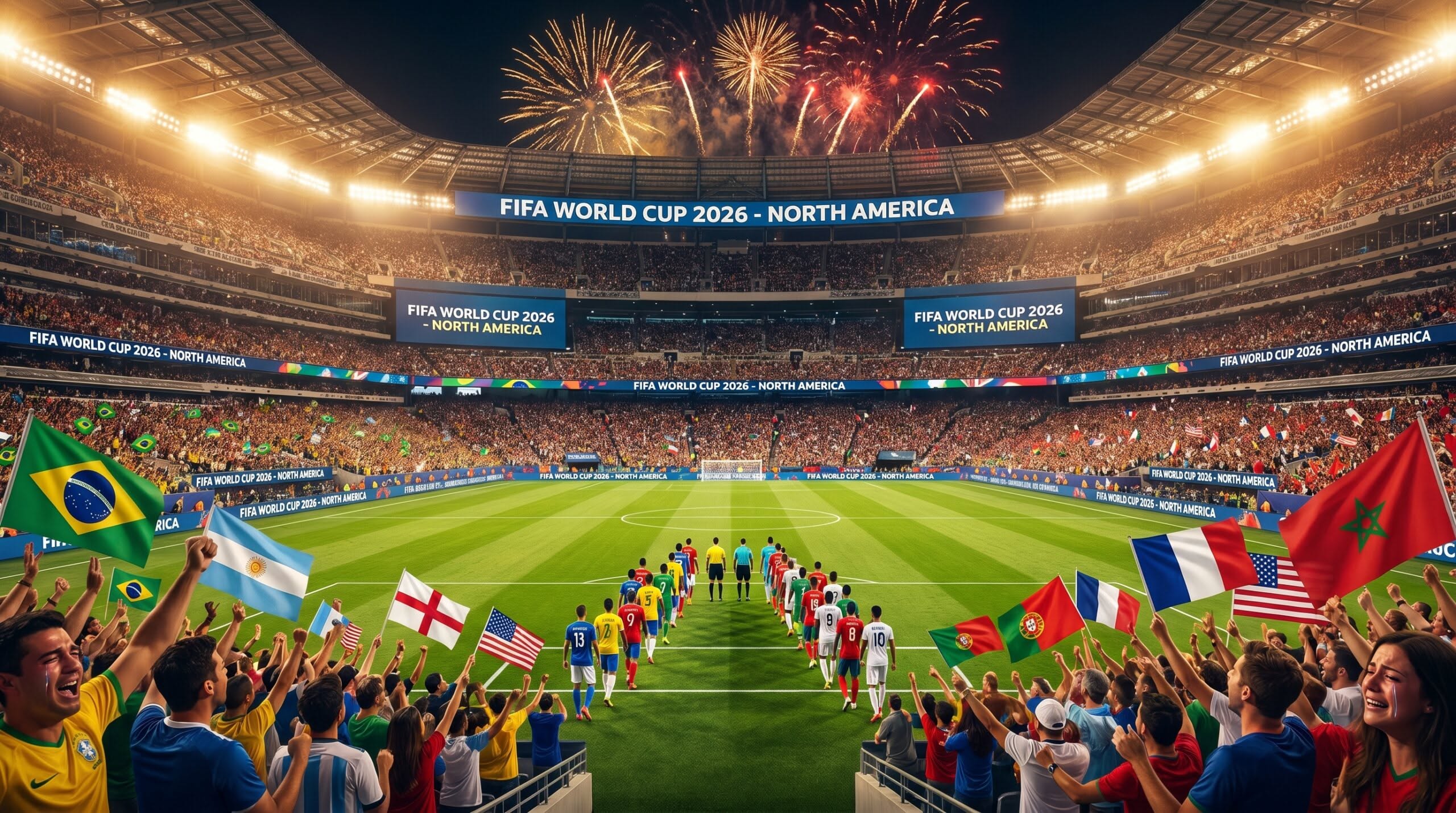
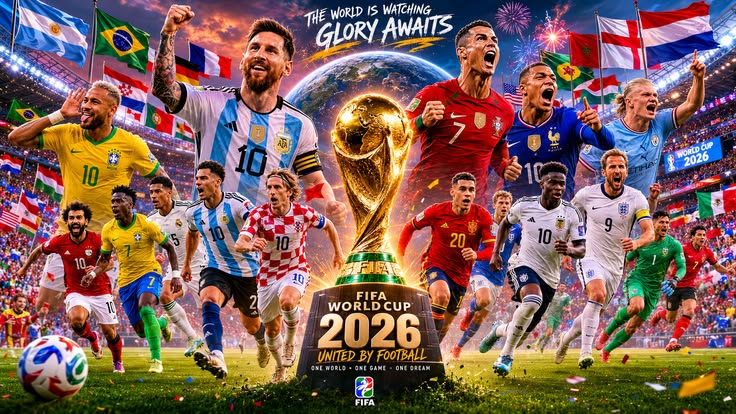
The World Cup is entering a new era with 48 teams expanding the tournament format. FIFA says this change is meant to increase global representation and give more nations a chance to compete on the biggest stage. But fans and analysts are not convinced. Many believe the new structure is creating what is now being called 48-Team Chaos, where the group stage feels longer, less competitive, and more exhausting to follow. Instead of increasing excitement the expansion has raised concerns about match quality and player fatigue. The debate is growing louder as football enters this new format era.
Quick Facts
- The World Cup expansion increases teams from 32 to 48 nations for the first time in history
- The group stage now includes more matches which increases schedule length and player workload
- Critics say weaker teams may reduce overall match competitiveness
- FIFA claims the format improves global football inclusion and representation
- Fans are reporting lower excitement levels during early group stage matches
- Player unions have raised concerns about fatigue and injury risks
Why the 48-Team Chaos is dividing football fans
More teams but less intensity
The biggest criticism of the new format is dilution. With 48 teams in the tournament the group stage includes more mismatched games. Strong teams often face weaker opponents leading to predictable outcomes. Fans feel that early matches lack intensity because results are easier to predict. The traditional 32 team format created tighter groups where every match mattered more. Now many viewers feel the pressure has been reduced which affects overall excitement.
Longer tournament fatigue
The expanded schedule means more matches over a longer period. This increases physical demand on players and mental fatigue for fans. Teams must manage rotation more carefully and players face heavier seasonal workloads. Football analysts warn that this could impact performance quality in later knockout stages. Fans are also struggling to stay engaged through a longer group phase which feels stretched compared to previous tournaments.
Commercial pressure concerns
Critics argue that expansion is driven more by commercial goals than sporting value. More teams mean more broadcasting rights more sponsorships and more global markets. While FIFA promotes inclusion many fans believe financial incentives are the real reason behind the change. This tension has become a key part of the 48-Team Chaos debate.
The core issue
Fans are asking whether the World Cup is becoming a better competition or just a bigger business product.
Why FIFA expanded the World Cup
Global representation argument
FIFA says the expansion allows more countries to participate in the World Cup. Smaller football nations now have a chance to compete on the world stage. Supporters of the change argue that this will grow football globally and develop talent in new regions.
Development of emerging teams
More participation can improve infrastructure and investment in developing football nations. Playing against top teams helps smaller countries gain experience and exposure. FIFA believes this long term growth justifies the short term concerns.
Revenue and global reach
The expanded format also increases commercial opportunities. More matches mean more broadcasting rights and larger global audiences. This financial growth supports FIFA’s long term development programs.
Key tension
The challenge is balancing global inclusion with competitive quality.
Why fans feel the group stage is weaker now
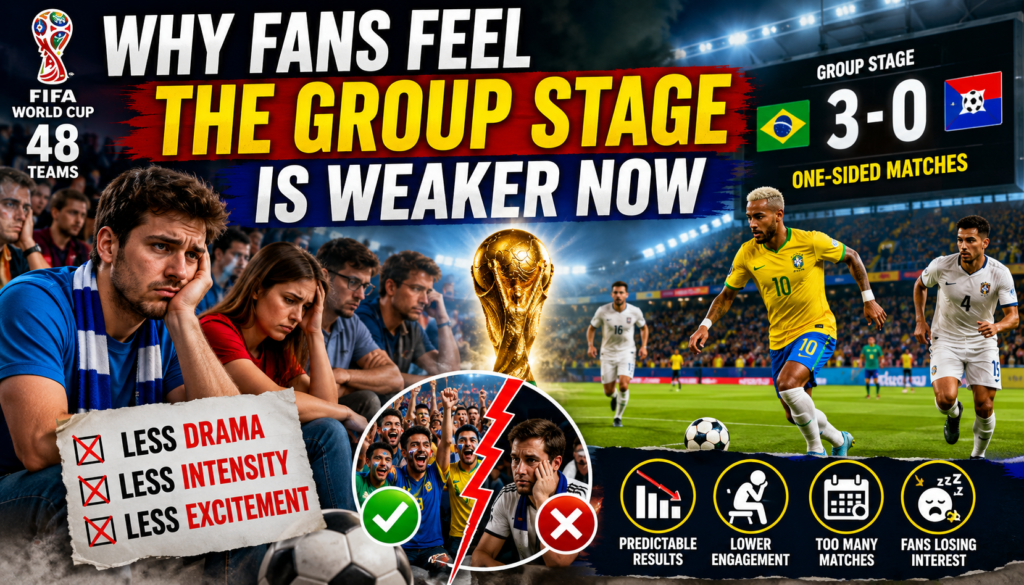
Too many predictable matches
One of the biggest complaints is match imbalance. Strong teams often dominate weaker opponents creating one sided games. This reduces drama in early stages where upsets used to define excitement.
Reduced match stakes
In the 48 team format more teams qualify for the knockout rounds. This reduces pressure in group matches. Some games feel less important because teams can still advance even after poor results.
Viewer engagement drop
Fans report lower engagement during early group matches. Social media discussions suggest that viewers are less emotionally invested in results that feel predictable or low stakes.
What fans miss
Many supporters miss the intensity of the 32 team format where every match had clear consequences.
Player fatigue and performance concerns
More matches more stress
The expanded tournament means more games for qualifying teams. This increases physical stress on players especially those who also compete in club football seasons.
Injury risk debate
Sports scientists warn that increased workload can lead to higher injury risks. Short recovery time between matches may affect player performance quality.
Squad rotation pressure
Managers now need deeper squads and smarter rotation strategies. This changes traditional tactics and affects team consistency.
Hidden impact
The tournament is becoming as much about endurance as it is about skill.
Will the 48-Team format improve football long term
Possible benefits
Supporters believe more nations will grow football infrastructure. Smaller teams gaining World Cup exposure could strengthen global competition in the future.
Possible drawbacks
Critics argue that long term excitement may decline if match quality continues to drop. If early rounds feel uncompetitive fans may lose interest over time.
Middle ground solution
Some experts suggest adjusting group structure or qualification rules to restore competitive balance without removing expansion.
Final debate
The future of the World Cup now depends on whether inclusion can match entertainment quality.
Final verdict
The 48-Team Chaos debate shows a clear divide in football. FIFA sees expansion as progress and global inclusion. Fans see it as reduced intensity and diluted competition. The group stage now feels longer and less predictable which has created fatigue for both players and viewers. Whether this change improves football or weakens it will depend on how the tournament evolves in coming years. Stay updated with the latest news on usnewspoint.com
FAQs
Why did FIFA increase teams to 48
To improve global representation and allow more nations to participate in the World Cup.
Does the new format reduce match quality
Many fans believe early group matches are less competitive due to weaker team matchups.
Are players affected by the new format
Yes increased matches may lead to higher fatigue and injury risks.
Is the World Cup longer now
Yes the expanded format increases the number of matches and overall tournament length.
Will the format change again in future
It is possible if FIFA decides to adjust structure based on feedback and performance.