Skip to content




The most successful small business ideas in 2026 share three things: low overhead, proven demand, and a skill-based delivery model where the owner controls the product. According to the SBA’s 2025 Small Business Profile, the U.S. now has 36.2 million small businesses and between March 2023 and March 2024 they created roughly 9 out of every 10 net new jobs in the country.
Quick Facts
- The U.S. has 36.2 million small businesses as of 2025, representing 99.9% of all businesses and employing 62.3 million Americans, per SBA data.
- Only 20.4% of businesses fail in their first year according to 2024 Bureau of Labor Statistics data, directly contradicting the popular myth that half of startups fail immediately.
- 48.6% of businesses close within five years and 65.3% within ten years, but survival rates vary widely by industry and business model.
- Goldman Sachs 10,000 Small Businesses Voices data shows 75% of small business owners are optimistic about their company’s future in 2026, with 72% actively planning growth.
- The AI agents market is growing from $8.03 billion in 2025 to $11.78 billion in 2026, making AI-related services one of the fastest-growing categories for solo operators.
- Software developer jobs are projected to grow 25% by 2032 per the Bureau of Labor Statistics, making tech-adjacent services a reliable long-term small business category.
Small Business Ideas That Survive Long Term
The most durable small business ideas are not necessarily the flashiest. They are the ones with low fixed costs, repeat customers, and demand that does not disappear when the economy slows.
AI Consulting Is the Fastest Growing Opportunity Right Now
Businesses of every size are adopting tools like ChatGPT, Midjourney, Claude, and Zapier but lack the internal knowledge to use them effectively. Consultants who understand prompt engineering, workflow automation, and AI integration are charging $75 to $300 per hour for individual sessions and $5,000 to $20,000 for project-based work with gross margins between 60% and 70%. The AI agents market is climbing from $8.03 billion in 2025 to $11.78 billion in 2026, and most small businesses still have no one in-house who can implement these systems.
Freelance Web Development Still Pays Better Than Most Jobs
The Bureau of Labor Statistics projects software developer jobs to grow 25% by 2032. Solo developers working with small and mid-sized business clients earn between $60,000 and $110,000 annually with near-zero overhead. Upwork, Toptal, and direct outreach through LinkedIn remain the primary client acquisition channels. This category has low failure risk because every business needs a website and most cannot afford a full-time developer on payroll.
Bookkeeping Has One of the Highest Client Retention Rates
An Intuit 2024 report showed freelance bookkeepers averaging an 82% annual client retention rate. Once a client trusts you with their numbers they almost never leave because switching accountants mid-year creates a financial headache most business owners want nothing to do with. Startup cost is under $200 and the tools required are QuickBooks, a laptop, and a professional email address.
Online Tutoring Converts Knowledge Into Consistent Income
Platforms like Wyzant, Tutor.com, and Preply connect tutors with paying students within days of signup. Top tutors in math, science, SAT prep, and coding earn over $1,000 per month working part-time. The U.S. wellness market is worth over $500 billion annually, which has extended demand into health coaching, nutrition consulting, and mindset coaching delivered entirely through video calls and digital course platforms like Teachable and Gumroad.
What Is the Number One Failing Business?
The information sector has the highest first-year failure rate of any industry in the U.S. at 27.8% in 2025, according to Fortunly and Bureau of Labor Statistics data. Construction businesses carry the second highest first-year failure rate.
The Real Reason Most Businesses Close Has Nothing to Do With the Industry
Industry category is only part of the story. The actual number one cause of small business failure across all sectors is cash flow mismanagement. One widely cited study found 82% of business failures happen because owners cannot manage cash flow. A separate CB Insights analysis of 500 failed startups found 38% ran out of cash or failed to raise capital, 35% had no real market demand for their product, and 20% were outcompeted by stronger players who moved faster.
Why Restaurants Get a Worse Reputation Than They Deserve
Restaurants are frequently cited as the classic failing business but the data does not support that reputation as cleanly as most people believe. The Bureau of Labor Statistics shows restaurants failing at 19% in their first year, which is actually below the national average of 20.4% for all small businesses. The myth comes from a narrow window of high-profile closures in expensive urban markets, not from what the broader industry data shows.
The Businesses With the Highest Real Risk in 2026
The highest-risk profiles in 2026 belong to businesses in the information sector including media, publishing, and data services, followed by construction and mining. All three combine high startup costs with volatile demand. A solo content creator launching a media company or a new contractor entering a saturated local market faces steeper odds than a bookkeeper or web developer starting from a spare bedroom. Businesses that require physical space, inventory, or staff before generating a single dollar in revenue fail at significantly higher rates than skill-based service businesses.
Low Cost Ideas That Are Growing the Fastest in 2026

The fastest-growing small business categories in 2026 combine low startup cost with sectors that are structurally expanding regardless of where the economy goes.
Social Media and Short-Form Video Is Now Its Own Industry
Every company with a marketing budget needs consistent content for TikTok, Instagram Reels, and YouTube Shorts. Skilled editors who specialize in short-form content are charging $500 to $2,500 per month per client on retainer. The barrier to entry is a laptop, editing software like DaVinci Resolve or CapCut, and a portfolio of two or three strong pieces. Many editors start by offering one free video to a local business, get a testimonial, and then convert that into five paying clients within 60 days.
SEO and Local Visibility Services Are Quietly Printing Money
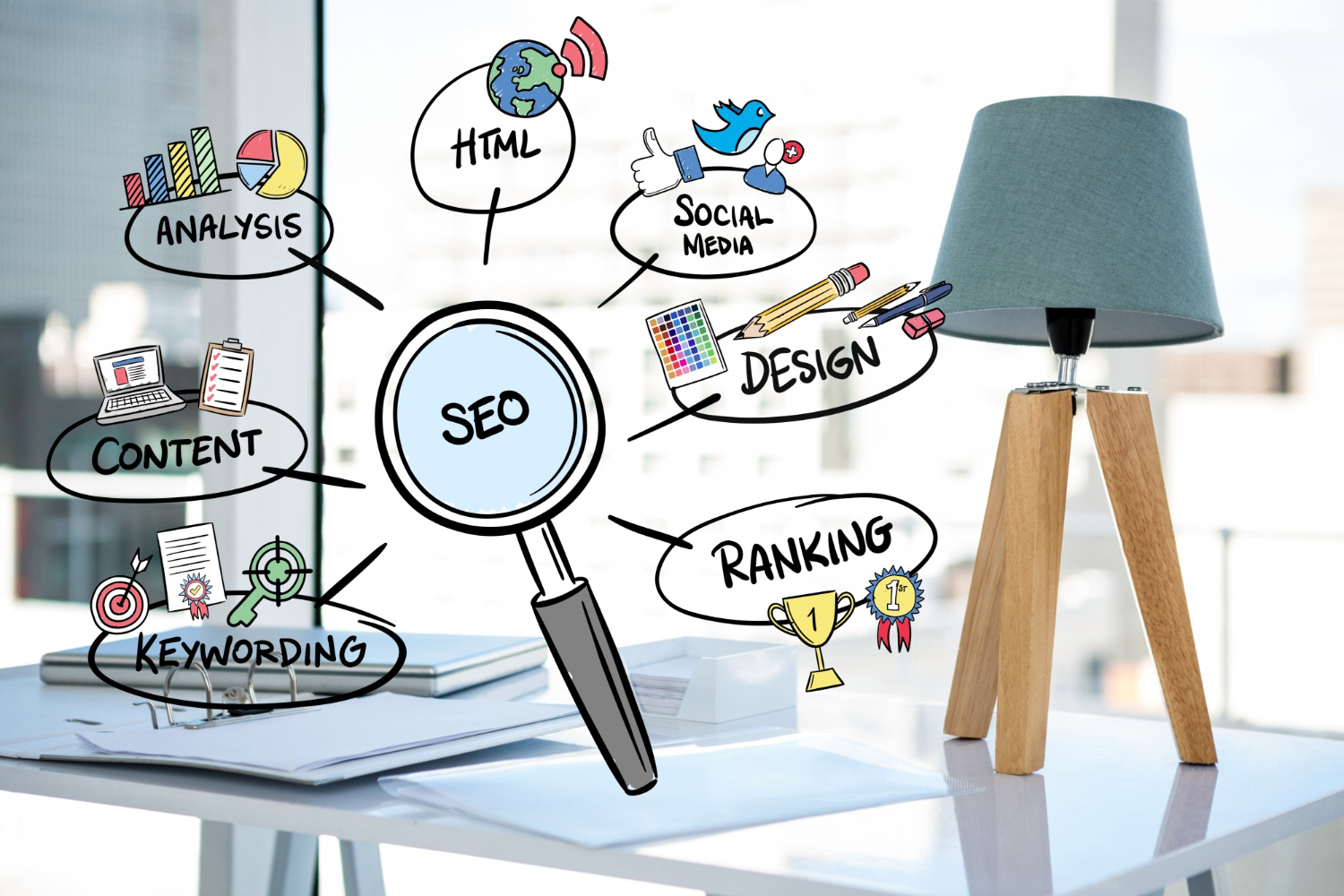
Solo SEO consultants working with five to ten local business clients charge $500 to $2,000 per month per client. Most small businesses in the U.S. have a Google Business Profile that has never been properly set up, a website that has not been touched in three years, and no strategy for appearing in local search results. That gap is a business opportunity. Fiverr and cold outreach to local businesses are the two acquisition channels that produce results the fastest for new SEO consultants.
Digital Products Scale Without Adding Workload
Selling Notion templates, Canva templates, prompt packs for AI tools, and online courses on platforms like Gumroad, Etsy, and Teachable gives small business owners income that does not require trading more time for more money. A digital product created once generates revenue indefinitely with no additional production cost. Etsy data shows consistent growth in digital download purchases with beginner-friendly templates and AI prompt packs among the fastest-growing search categories heading into 2026.
Personal Training Has Gone Fully Digital
The U.S. personal training market generated nearly $11.9 billion in 2025 per IBISWorld. Many fitness professionals now build their client base through free content on YouTube and Instagram before converting followers into paying clients or online course buyers. This removes the need for a physical studio entirely and eliminates the single biggest overhead cost in the traditional fitness business model.
How to Pick the Right Small Business Idea Without Wasting Money
The right small business idea depends on three things working together: what you already know how to do, whether people are actually paying for it right now, and how long you can operate before needing revenue.
Validate Before You Build Anything
LendingTree chief consumer finance analyst Matt Schulz identifies not understanding your market as the primary driver of small business failure. Before spending money on tools, a website, or branding, verify that people are already paying competitors for the same thing. That means finding businesses making money in your space, not searching for a problem you think might exist. If you cannot find three competitors charging for what you plan to offer, either the market is too small or you have not searched hard enough.
Your Existing Skills Are Your Fastest Path to Revenue
The fastest path to a first paying client in any service business is existing expertise. A former teacher who starts tutoring, a corporate accountant who starts freelance bookkeeping, or a marketing manager who launches an SEO consultancy all have a direct advantage. They already understand the buyer’s problem from the inside and can speak the language of the client without spending months learning it.
Keep Overhead at Zero Until a Client Makes It Necessary
According to a 2023 analysis, 45% of small businesses could not secure full credit when they needed it. Waiting until the business generates consistent cash before spending on growth is not playing it safe, it is the strategy that produces the highest long-term survival rate. The businesses that fail in 2026 will largely be the ones that spent money before validating demand. The ones that survive will start small, get paid first, and build infrastructure only around what is already working.
Frequently Asked Questions
What is the most successful small business to start in 2026?
AI consulting, web development, bookkeeping, and SEO have the lowest overhead and highest margins. All start with under $500.
What small business has the lowest failure rate?
Healthcare and social assistance has the highest 5-year survival rate at 58% per SBA 2024 data. Skill-based home services follow closely.
How much money do I need to start a small business in 2026?
Service businesses start with $0 to $500. Product businesses need $500 to $5,000 to test inventory and early marketing properly.
What makes a small business fail?
82% of failures trace to cash flow problems. No market demand causes 35% of closures. High fixed costs before revenue is the most consistent pattern.
Is 2026 a good year to start a small business?
Yes. SBA recorded 5.5 million new applications in 2023, a record. AI tools and low-cost platforms make launching faster and cheaper than ever before.
Conclusion
The most successful small business ideas in 2026 follow a clear pattern: low startup cost, proven market demand, and a service model where the owner’s skill is the product. AI consulting, web development, bookkeeping, SEO, and digital products all fit this profile. The failure data is equally clear: businesses that overextend before generating revenue and operate with high fixed costs are the ones that close. Start with what you know, get your first paying client before spending anything significant, and build from there.
Stay updated with the latest business and tech news on us news point.