Skip to content



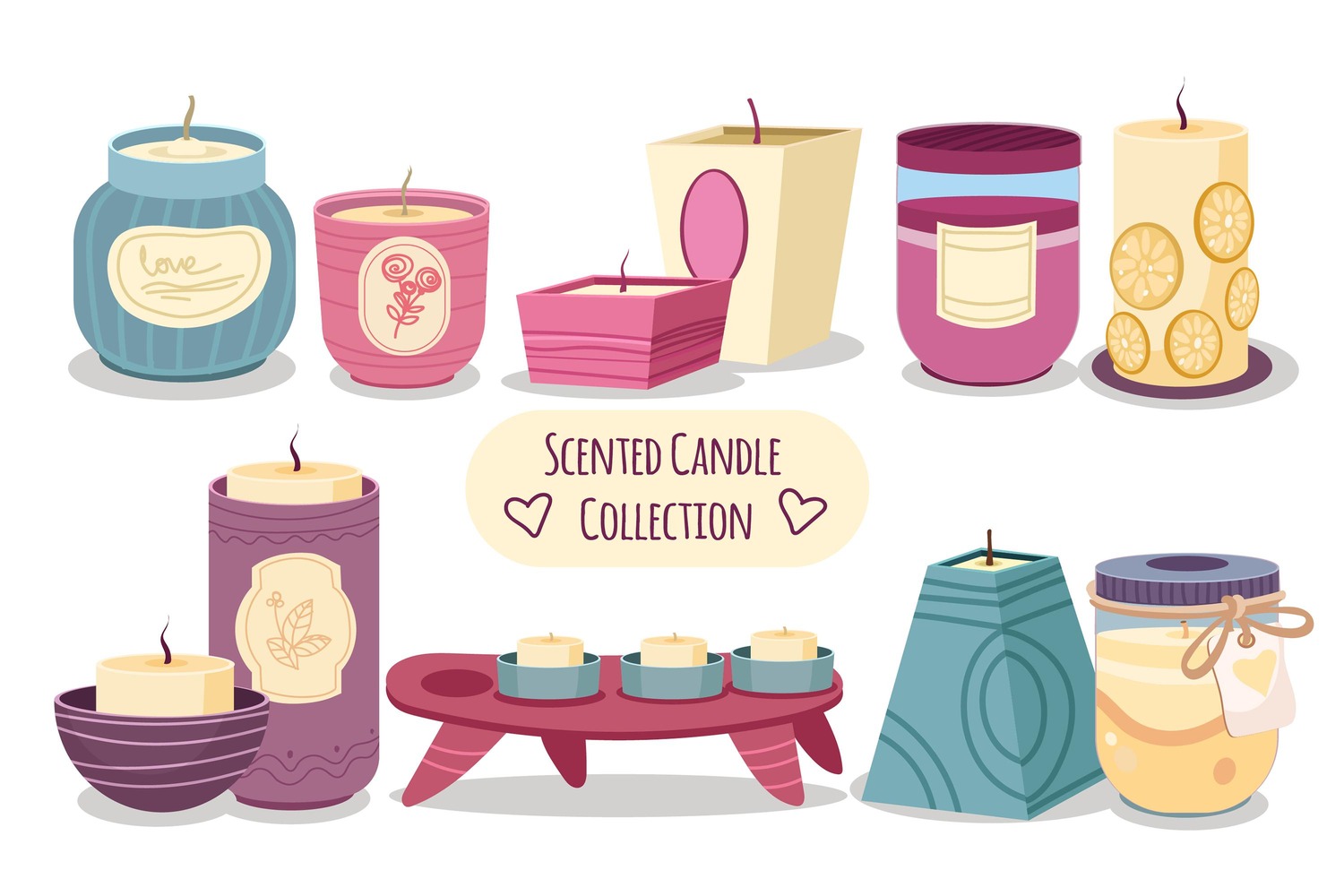
A fragrance candle is a wax-based candle scented with fragrance oils or essential oils to release a consistent aroma when burned. Making one at home requires a handful of inexpensive materials, no professional equipment, and about two hours from start to finish.
Quick Facts
- The global candle market was valued at $8.3 billion in 2024 and is projected to reach $14.7 billion by 2035, growing at a steady 5% CAGR, according to Market Research Future.
- Scented candles account for 65.6% of the total candle market share in 2026, making fragrance the dominant factor driving consumer purchases.
- Soy wax is the fastest-growing wax type with a projected CAGR of 19.2% through 2032, driven by its clean burn and biodegradable properties compared to standard paraffin.
- Lavender is the single best-selling candle scent on Amazon in 2024, appearing in four of the top ten products by sales volume, according to Accio market data.
- North America holds 32.9% of the global scented candle market share, with the U.S. representing the largest individual consumer base for home fragrance products.
- A basic home candle making setup costs between $30 and $80, and individual candles can be produced for $3 to $6 in materials and sold for $15 to $35 retail.
What You Need to Make a Fragrance Candle at Home
You do not need a professional setup to make a quality fragrance candle. The core materials are widely available online and in craft stores like Michaels and Hobby Lobby.
Here is what you need before you start:
Soy wax flakes are the best starting wax for beginners. Brands like CandleScience SimplySoy and Golden Brands 464 are trusted by hobbyists and small business owners alike. Soy burns cleaner and slower than paraffin and holds fragrance well. For two standard 8 oz candles you need roughly 16 oz of wax flakes.
Fragrance oil is what gives the candle its scent. Use candle-specific fragrance oils from suppliers like CandleScience, Brambleberry, or Nature’s Garden rather than generic essential oils, which often do not perform well in wax. The standard fragrance load for soy wax is 10% of the wax weight. For 100g of wax that means 10ml of fragrance oil.
Cotton wicks sized to your container are essential. A wick that is too thin produces a weak flame and tunneling. A wick too thick causes soot and uneven burns. CandleScience has a wick guide on its website that matches wick size to container diameter, which takes the guesswork out completely.
Glass jars or tins work well as containers. Mason jars, straight-sided tumblers, and 8 oz tin containers are the most commonly used. Make sure any container is heat-resistant.
You also need a double boiler or a heat-safe pouring pitcher placed in a pot of simmering water, a thermometer, a stir stick, and wick stickers or a small amount of hot glue to anchor the wick to the bottom of the container.
Step by Step: How to Make Your Fragrance Candle
The process takes about 20 minutes of active work and 24 hours of curing time before the candle is ready to burn.
Step 1: Measure your soy wax flakes into your pouring pitcher. For two 8 oz containers, use 16 oz of wax.
Step 2: Create a double boiler by placing the pitcher in a pot of simmering water over medium heat. Stir occasionally and let the wax melt completely. This takes about 15 minutes. Soy wax melts faster than beeswax and requires less heat.
Step 3: Once the wax is fully melted, use your thermometer to monitor the temperature. CandleScience recommends heating soy wax to around 185 degrees Fahrenheit (85 degrees Celsius).
Step 4: Remove the pitcher from heat. Let the wax cool to around 150 degrees Fahrenheit (65 degrees Celsius) before adding fragrance oil. Adding fragrance too early causes it to evaporate and weakens the scent throw significantly. Stir gently for one to two minutes until the fragrance is fully incorporated.
Step 5: While the wax cools, anchor your wick to the center bottom of each container using a wick sticker or small drop of hot glue. Use a clothespin or wick holder placed across the top of the jar to keep the wick upright and centered.
Step 6: Pour the wax slowly into each container, leaving about half an inch of space at the top. Pouring too fast can shift the wick.
Step 7: Let the candles cool at room temperature undisturbed for at least 24 hours. Do not move them, place them in the refrigerator, or use a fan to speed up cooling, as rapid temperature changes cause sinkholes and surface cracks in soy wax.
Step 8: Once fully hardened, remove the wick holder and trim the wick to one quarter inch. This is the correct burn length for a clean flame on every light.
Your fragrance candle is ready. The scent throw improves after a 48 to 72 hour cure period, so waiting before the first burn gives better results.
Is Candle Making a Profitable Hobby?
Candle making is one of the more profitable hobbies a person can turn into a side business because the margin between production cost and retail price is unusually wide.
A standard 8 oz soy fragrance candle costs roughly $3 to $6 to produce when buying materials in bulk, including wax, fragrance oil, wick, jar, and label. The same candle retails on Etsy between $15 and $28. Premium or gift-packaged versions sell for $30 to $40. That puts gross margins between 60% and 80% at the lower retail end, which is exceptional for a physical product.
The global scented candle market was valued at $4.11 billion in 2024 and is projected to reach $5.8 billion by 2032, according to Fortune Business Insights. Independent and artisanal brands are growing their share of this market through Etsy, Shopify, and Instagram as consumers increasingly seek handcrafted alternatives to mass-market brands like Yankee Candle and Bath and Body Works.
Etsy data consistently shows candles as one of the platform’s top five product categories by search volume. Sellers who build a defined brand identity around a specific scent profile or aesthetic, such as luxury minimalist, cottagecore, or wellness-focused, outperform generic candle shops significantly.
The startup cost to test the business is low. A basic setup including two pounds of soy wax, fragrance oil, wicks, and four to six containers runs between $30 and $60. That produces six to eight candles, enough to test different scent combinations, photograph the product, and list on Etsy or at a local market before investing in larger quantities.
The main cost control lever is buying materials in bulk. CandleScience, Candles and Supplies, and Natures Garden all offer tiered pricing where the per-unit cost drops sharply at five-pound and ten-pound wax quantities.
What Candle Scent Sells the Most?
Lavender is the best-selling candle scent by sales volume in the U.S. market. It dominates Amazon’s top ten candle sales list and drives strong numbers across Etsy and independent retailers.
The reason is straightforward. Lavender is universally associated with relaxation, stress relief, and sleep, and the wellness market has made these associations stronger every year. Consumers purchasing candles for aromatherapy purposes consistently choose lavender first, and it crosses demographics cleanly from college students to older adults.
Vanilla is the second most consistently top-performing scent. Bath and Body Works and independent Etsy sellers both report vanilla-based candles as perennial bestsellers. Its warm, familiar profile is described by buyers as making a space feel cozy and inviting. Vanilla also blends well with other scents including musk, amber, and sandalwood, making it a useful base for more complex fragrance profiles.
Cedar and sandalwood have grown significantly in 2024 and 2026, driven by consumer interest in earthy, woodsy home fragrance. Reviews on Amazon and Etsy cite them frequently in searches for grounding and meditative scents. WoodWick, a brand known for its crackling wood wick design, has capitalized on this with its premium wood-forward fragrance lines.
Citrus blends including orange, lemon, and grapefruit sell strongly in spring and summer and appeal to younger buyers. Etsy and Amazon both show sharp search volume increases for citrus candle terms during warmer months.
For sellers, the most commercial approach is to lead with lavender or vanilla as the core line and build seasonal or limited collections around citrus and wood scents throughout the year.
What Are the Popular Candle Scents?
The most popular fragrance candle scents in 2026 break into five clear categories based on search volume, sales data, and consumer reviews across Amazon, Etsy, and retail chains.
Wellness scents lead the category. Lavender, eucalyptus mint, and chamomile are the top three in this group. They sell year-round because they serve a functional purpose for buyers seeking relaxation, better sleep, and stress relief. Eucalyptus mint in particular has grown rapidly, with Etsy showing a notable increase in buyer searches for refreshing and spa-like candle terms.
Warm and cozy scents are the second strongest category. Vanilla, amber, cinnamon, and cashmere are the core names here. Brands like Diptyque, Le Labo, and Byredo have built premium pricing power around warm fragrance profiles that feel luxurious and residential at the same time. These scents index highest in fall and winter but sell throughout the year.
Woodsy and earthy scents have had the strongest growth trend in recent years. Sandalwood, cedar, pine, and birchwood appeal to the eco-conscious and minimalist segments of the candle market. P.F. Candle Co. and Apothecary brand Boy Smells have both built strong followings by leaning into this category with minimal packaging and natural wax credentials.
Fresh and clean scents including sea salt, white tea, and linen are a steady seller in home decor contexts. These fragrances are marketed as making a space feel clean and open rather than heavily perfumed, which appeals to buyers with sensitivity to strong fragrances.
Floral scents including rose, jasmine, and honeysuckle round out the top five categories. They perform consistently in gifting contexts and around holidays like Valentine’s Day and Mother’s Day, where Bath and Body Works and Yankee Candle report their highest single-category sales spikes.
Frequently Asked Questions
What is the best wax for making fragrance candles at home? Soy wax is the best option for beginners. It burns cleanly, holds fragrance well, and is biodegradable. Brands like CandleScience SimplySoy are widely recommended.
How much fragrance oil should I add to soy wax? Use 10% of the wax weight in fragrance oil. For 100g of wax add 10ml of oil. Add it at 65 degrees Celsius for the strongest scent throw.
How long should a homemade fragrance candle cure before burning? Let it cure for at least 24 hours before the first burn. A 48 to 72 hour cure gives a noticeably stronger and more even scent throw.
Can I sell homemade candles from home? Yes. Most sellers start on Etsy or at local markets. Register as an LLC, add warning labels to each candle per ASTM standards, and check your state’s home business requirements.
What is the most popular fragrance candle scent to sell? Lavender is the best-selling scent by volume. Vanilla is the most consistent year-round seller. Together they cover the majority of first-time candle buyer purchases.
Conclusion
Making a fragrance candle at home is straightforward once you have the right materials and understand the temperature steps. Soy wax, quality fragrance oil, a properly sized wick, and 24 hours of patience are all it takes to produce a candle that rivals anything on a retail shelf. If the hobby turns into a business, the margin structure is strong and the market is growing. Start with lavender or vanilla, build your process around consistent results, and scale from there.
If you are intrested for more business ideas too visit our Blogs.
Stay updated with the latest business and lifestyle news on us news point